Mental health issue are common; one in 4 adults will suffer from a mental health issue in any given year and psychological health issue represent about one third of all family doctor (GP) assessments. Nevertheless these disorders have a far better result than many individuals realise. For example half of those affected with a depressive illness recuperate within three months.
A minority of people with psychological illness have extreme, long-term symptoms and experience substantial special needs but this is no different to the situation with numerous physical health problems. The majority of people who are treated for a psychological health issue receive all their care from their GP and other staff in medical care with about 10% getting additional assistance from expert psychiatric services such as neighborhood psychological health teams.
Nevertheless, in general both talking treatments, such as cognitive behavioural treatment (CBT), and medication are fairly reliable. Lots of psychological health issue can be treated effectively with talking treatments alone however medication is a fundamental part of the treatment for a lot more severe problems. When medication is given it must constantly be accompanied by psychological and social techniques.
Unfavorable views of mental health issue are held by individuals in all walks of life and of all ages. Individuals with mental health problems can experience preconception and discrimination from member of the family, good friends, instructors, work coworkers and health professionals including GPs, psychiatrists and psychiatric nurses. Education campaigns can assist minimize preconception.
The Main Principles Of How Does Diet Affect Mental Health
' Time to Modification' is England's biggest psychological health anti-stigma campaign and was released in 2009. It is led by the psychological health charities Mind and Rethink Mental Illness and is moneyed by the Department of Health, the Huge Lottery Game Fund and Comic Relief. Education projects often include individuals with a psychological illness informing their personal story, either through film clips or face to deal with in workshops, with an emphasis on hope and healing.
Providing precise info and crucial messages is also essential. Examples of crucial messages consist of that psychological health issue prevail and affect individuals of all ages, backgrounds and cultures but are not a barrier to living a fulfilling and effective life as shown by the numerous famous individuals who have actually experienced anxiety and other psychiatric problems.
This is essential as the media can perpetuate unfavorable stereotypes through incorrect and distorted reporting of newspaper article (how does poverty affect mental health). Studies of papers in England find that just under half of articles with a mental health style are stigmatising, for instance they use pejorative language or emphasise the risk of violence to others ( 8 ).
A recent report identified 4 primary cinematic stereotypes of people with psychological health problems; things of enjoyable and ridicule, fakers, individuals to be pitied or violent individuals ( 9 ). The last representation is carefully linked to cinematic representations of psychosis. The Drug Rehab Facility href="http://marioweii030.lowescouponn.com/little-known-facts-about-how-social-media-positively-affects-mental-health">here media reflect society's existing bias and can not be blamed for the existence of preconception but these representations have been described as a 'reservoir' that perpetuates harmful stereotypes.
8 Simple Techniques For How Does Exercise Affect Mental Health
Taking on stigma is not only the responsibility of those arranging big scale education projects. A 'bottom up' method is likewise required. People who have actually experienced a mental health problem, member of the family, health care experts and the general public need to feel great to challenge unfavorable stereotypes that they experience, whether at work or socially.
There was an immediate protest by members of the general public and mental health charities and the paper was required to change the headline to the more considerate 'Sad Bruno In Mental Home' for the 2nd edition. Another way to combat stigma is through anti-discrimination policy and legislation. This approach has shown successful in decreasing discrimination experienced by individuals on grounds of gender, race and sexual preference.
The Act specifies an impairment as a physical or psychological problems that has a 'considerable' and 'long-term' unfavorable impact on an individual's ability to perform normal daily activities. Long-lasting means the disorder has actually lasted a year, or is most likely to last a minimum of a year, or is likely to be recurrent.
The Act also requires employers to make affordable adjustments in the work place if a person's impairment puts them at a disadvantage compared to others. Progress has been made in minimizing mental health preconception. Psychological health is Addiction Treatment discussed far more openly than in the past as revealed by the numerous publication articles, books and radio and tv programmes on this topic.
4 Simple Techniques For How Does Dietary Practices Affect Your Physical
In the 1990s the award winning author William Styron discussed his depressive illness in the book 'Darkness Visible' as did the biologist Lewis Wolpert in a book entitled 'Malignant Unhappiness'. The existing Time to Modification anti-stigma and discrimination campaign in England has actually been supported by celebrities and high profile figures, consisting of Stephen Fry, Frank Bruno and Alastair Campbell, who have discussed their experience of experiencing a psychological illness.
In between 2008, the year prior to the campaign was launched, and 2011 there was a considerable fall in the level of discrimination experienced by individuals utilizing psychological health services in England and a small boost in the proportion of individuals who reported experiencing no discrimination ( 2 ). Over the very same period there was a boost in the proportion of anti-stigmatising news article ( 8 ).
In between 2003 and 2013 there has been a small improvement in public attitudes to individuals with mental disorder in England ( 10 ). A report published in 2014 concluded that television dramas were moving away from negative stereotypes towards a more precise and considerate portrayal of people with mental illness and that script writers were aware of psychological health preconception and discrimination ( 11 ).
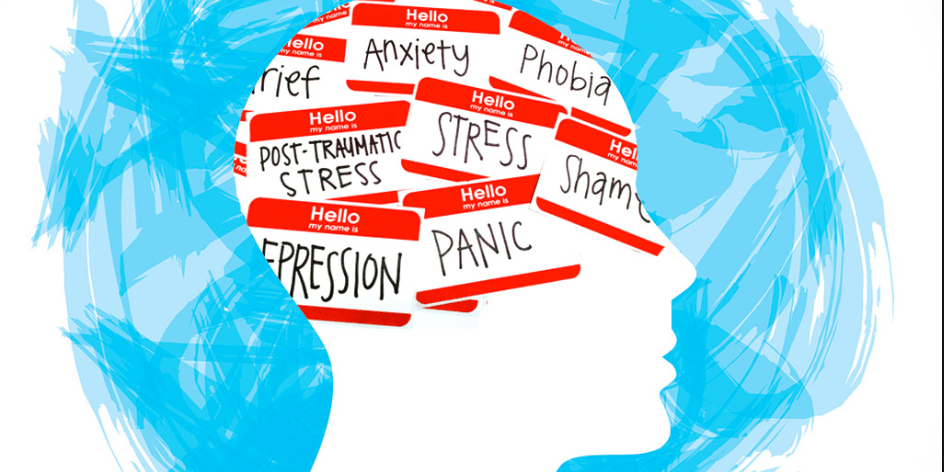
Much of the reduction in stigma has actually centred on depression, bipolar illness and other mood conditions while psychosis and schizophrenia remain highly stigmatised. A series of techniques are required to take on stigma. Reducing preconception can improve the lifestyle of those with a psychological illness and is a significant concern.
How Why Is Teacher Mental Health Important And How Does It Affect Students? can Save You Time, Stress, and Money.
Thornicroft G, Rose D, Kassam A, Sartorius N. Preconception: lack of knowledge, bias or discrimination. British Journal of Psychiatry 2007; 190: 192-3. Corker E, Hamilton S, Henderson C et al. Experiences of discrimination among people using mental health services in England 2008-2011. British Journal Psychiatry 2013; 202 (suppl 55): s58-s63 Crisp A, Gelder MG, Goddard E, Meltzer H.
World Psychiatry 2005; 4:106 -113. Walsh E, Buchanan A, Fahy T. Violence and schizophrenia: taking a look at the evidence. British Journal Psychiatry 2002; 180:490 -5. Brekke JS, Prindle C, Bae SW, Long JD. Dangers for individuals with schizophrenia who are living in the neighborhood. Psychiatr Serv. 2001; 52( 10 ):1358 -66. Walsh E, Scott C, McKenzie K et al.
British Journal of Psychiatry 2003; 183: 233-238. Leucht S, Hierl S, Kissling W, Dold M, Davis JM. Putting the efficacy of psychiatric and general medicine medication into perspective: evaluation of meta-analyses. British Journal Psychiatry 2012; 200( 2 ):97 -106. Thornicroft A, Goulden R, Shefer G et al. Newspaper coverage of mental disorder in England 2008-2011.
Screening Insanity; A century of negative relocation stereotypes of psychological illness. Peter Byrne. Time to Modification (2009 ). Evans-Lacko S, Corker E, Henderson C and Thornicroft G. Result of the Time to Modification anti-stigma project on trends in mental-illness-related public preconception amongst the English population in 200313: an analysis of survey information.